In this guide
The short version
- A torch flame is a blue, wind-resistant jet; the soft yellow flame of a Zippo is a different tool.
- One jet for pipes and small cigars, three for most cigars, four for big ring gauges and real wind.
- A fuel window, a flame wheel you can turn by hand and a built-in punch matter more day to day than one extra jet.
- Purge, fill, wait two minutes: most torches that "stopped working" are air-locked or full of cheap butane.
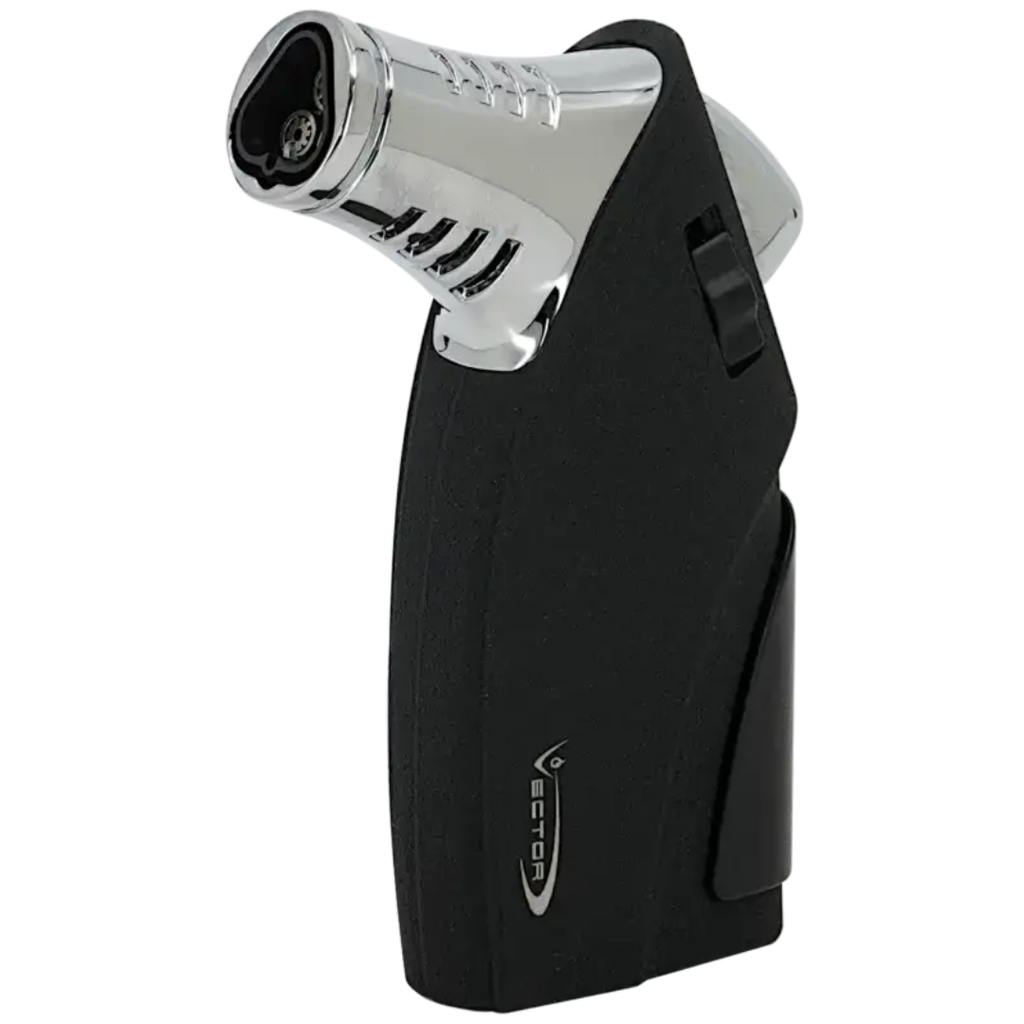
A torch lighter is the right tool when you need a flame that ignores wind and lights a wide surface fast: a cigar foot, a grill, a candle wick buried deep in a jar. The choice comes down to how many jets you want, what you will light with it, and a handful of features (a fuel window, a flame wheel you can turn without a tool, a punch) that matter more day to day than the name on the side. Here is how to pick one, and how to keep it lighting on the first click.
What a torch flame does differently
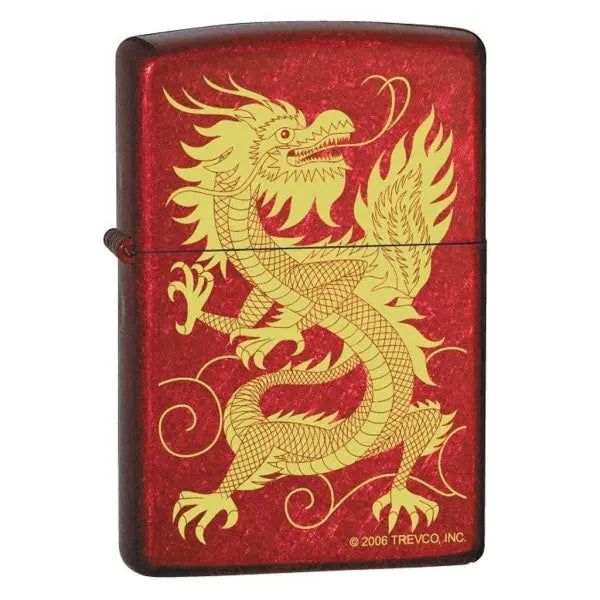
A soft-flame lighter, a Zippo or a disposable, burns fuel in open air and makes the yellow flame you know. A torch lighter pushes butane through a small jet under pressure and mixes it with air before it burns, so the flame comes out as a narrow blue cone. That cone is hotter, it holds its shape in wind, and it keeps burning when you tip the lighter sideways to reach the foot of a cigar.
The trade-off is fuel. A jet uses more butane per second than a soft flame, and every extra jet draws more, so a triple or quad torch with a small tank needs filling often. Torches also mind the weather: butane turns to vapor less readily in the cold, and thin air at altitude starves the flame of oxygen. Both are worth knowing before you buy one for a hunting trip or a ski cabin.
How many jets you need
Jets | Best for | Keep in mind |
|---|---|---|
Single | Pipes, smaller ring gauges, the grill, everyday carry | Toasting a big cigar foot takes a slow rotation |
Triple | Most cigars, patio use, one torch that does it all | Bigger body, more fuel per light |
Quad | 60 ring and up, real wind, outdoor use | Drains the tank fastest; overkill for small cigars |
Single jet: precise and frugal
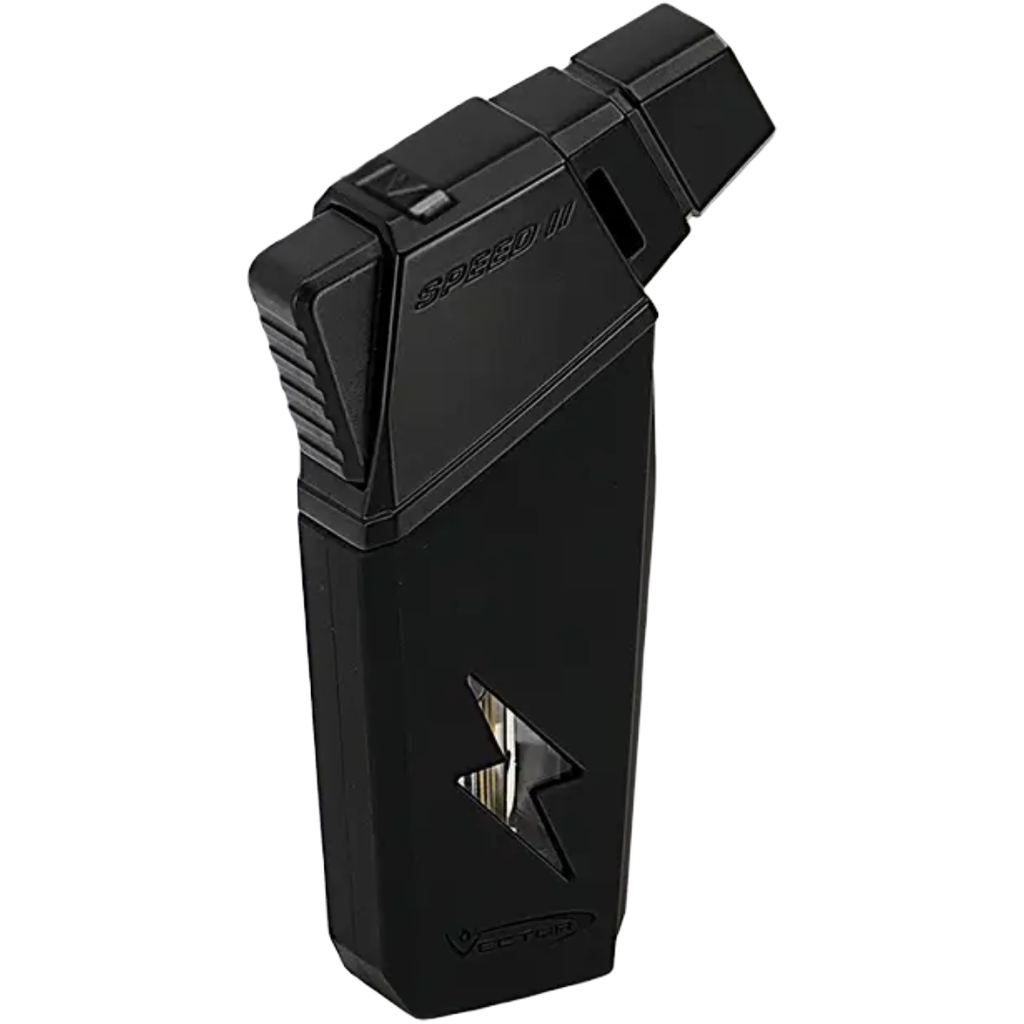
A single jet is a scalpel. It puts the heat exactly where you point it, which is what you want for a pipe or a petit corona, and it is the easiest kind to carry because the body stays slim. The Vector Speed-II Mini is the one to start with: a compact single jet that Vector rates at three times the intensity of a standard torch, with a large tank behind a lightning-bolt fuel window so you can see when it is time to fill. It lights with one press and weighs 3.5oz.
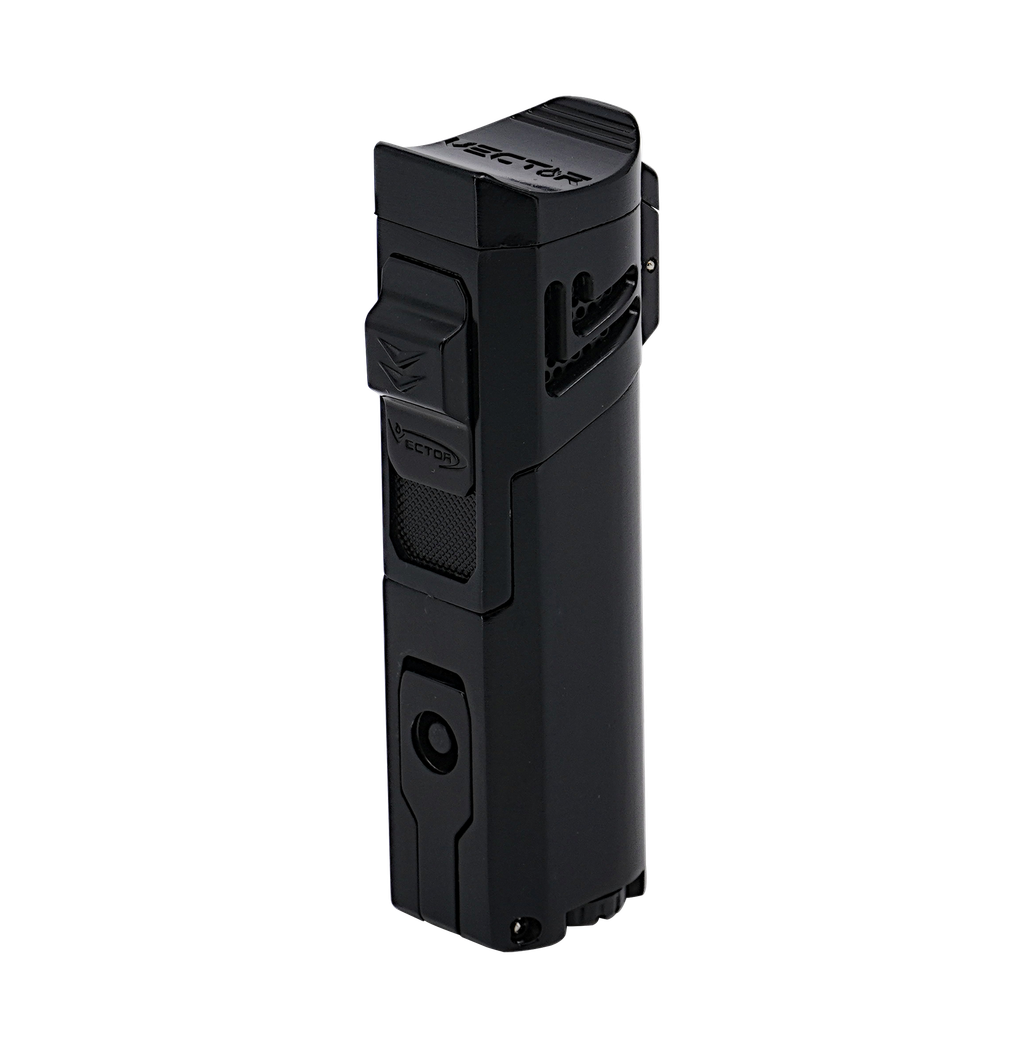
If your single jet is going to live with cigars, look at the Vector Caliper instead. It carries a larger wind-resistant flame, a fold-out cigar punch and a cap that doubles as a cigar rest, in a body about 3.5in tall, and it is rated to light at altitudes up to 10,000 feet.
Triple jet: the all-rounder
Three jets toast a cigar foot in one pass instead of three, and the flame has enough width to light a grill or a fire starter without hovering. For most people this is the answer. The Vector Ironfist angles its three jets so they converge into a single apex flame, and it adds a flame lock button: press it and the torch stays lit hands-free, which saves your thumb when you are lighting a row of candles or warming a cold grill. Vector rates it to 12,000 feet and backs it with a lifetime warranty, no proof of purchase required.
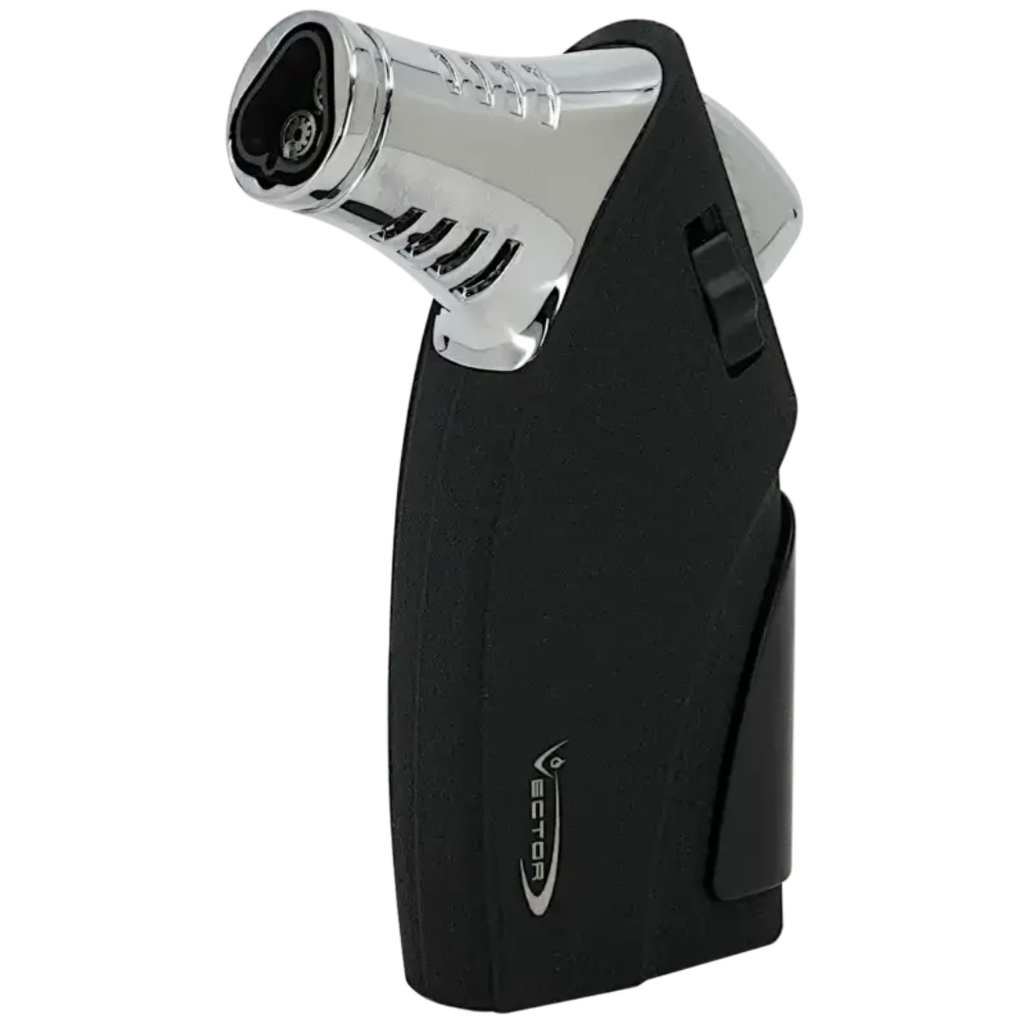
The Lotus Blaze is the other triple worth a look: three pinpoint flames in a metal body with a rubberized grip, a fold-out punch, a fuel window and an oversized flame wheel you adjust without a tool.
Quad jet: for big ring gauges and real wind
Four jets are for 60-ring cigars, cold patios and anyone who has stood in the wind clicking a smaller torch. The Vector Ironquad merges four jets into one flame, keeps a cigar rest in the cap and gives you a large, clear fuel window, in a body only 3.4in tall. Like the Ironfist it is rated to 12,000 feet and covered for life.
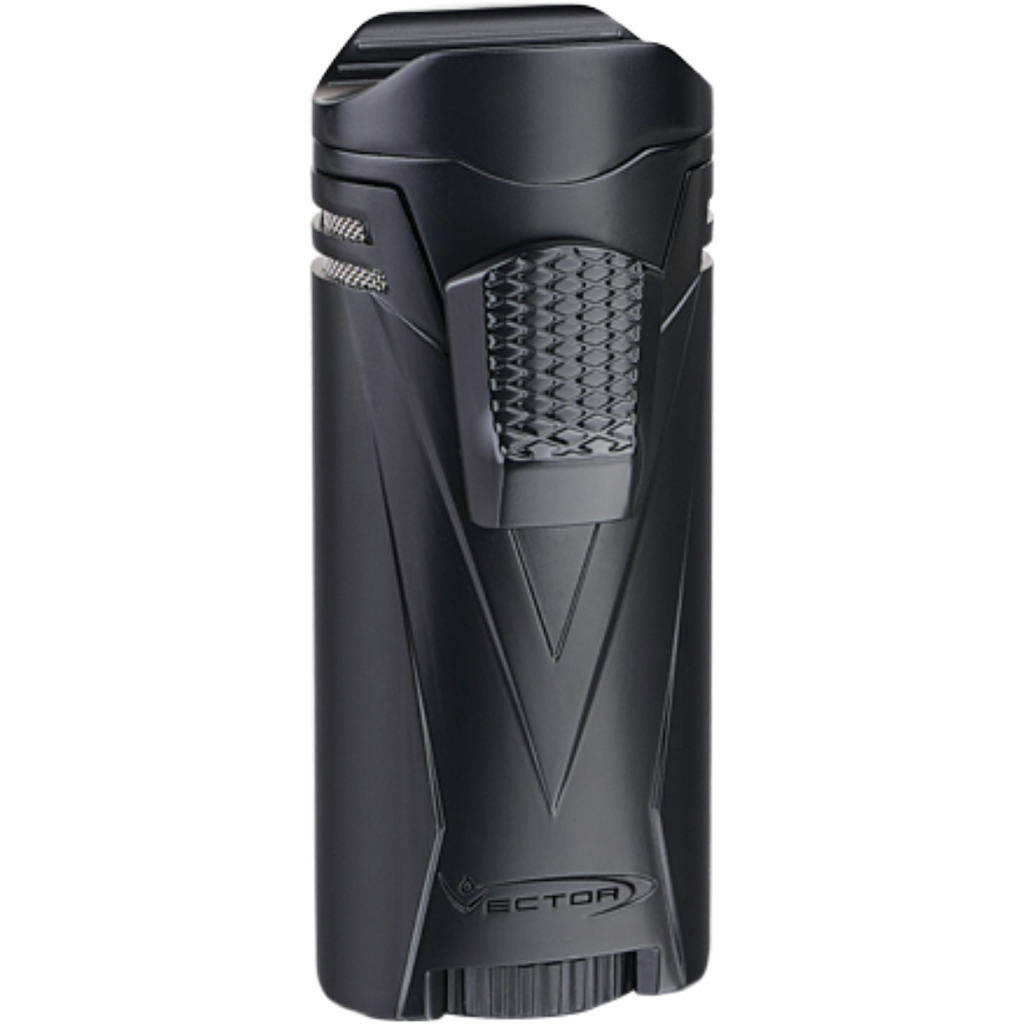
The Vertigo Stinger is the simpler quad: four wind-resistant flames, a retractable punch and a see-through tank, with a one-year warranty.
The features that matter more than jet count
- A fuel window. Tanks are opaque on a lot of torches, so you find out they are empty at the worst moment. A window (the Speed-II Mini's lightning bolt, the Ironquad's large pane) ends the guessing.
- A flame wheel you can turn by hand. Many torches hide the adjuster under the base and need a screwdriver. The Lotus Blaze and the Vertigo Stinger use oversized wheels; set the flame low indoors and higher outside.
- Single-action ignition. One press should open the gas and fire the piezo together. A torch that needs a slide-then-press motion is slower, especially with cold hands.
- A punch and a rest. A fold-out punch cutter (Caliper, Lotus Blaze) is one less thing in your pocket, and a cigar rest cap (Caliper, Ironquad) keeps the cigar off the table while you pour.
- An altitude rating. If you light up above a mile high, buy a torch rated for it. Many torches do not list one at all; the Vector Caliper (10,000 feet), Ironfist and Ironquad (12,000 feet) do.
- A warranty. Vector covers these lighters for life and does not ask for proof of purchase; Lotus covers the Blaze for two years and Vertigo the Stinger for one. The details sit on each product page.
Refilling it so it lights first time
- Turn the flame adjuster all the way down.
- Purge the tank: press the fill valve with a small screwdriver until it stops hissing. Air trapped in the tank is the usual cause of a torch that sputters.
- Hold the lighter upside down, press the butane can straight onto the valve and count to five. Repeat once if the window still looks low.
- Wait two or three minutes before you light it. The fuel is cold from the can and needs to warm up.
- Open the adjuster a quarter turn at a time until the flame is about an inch long.
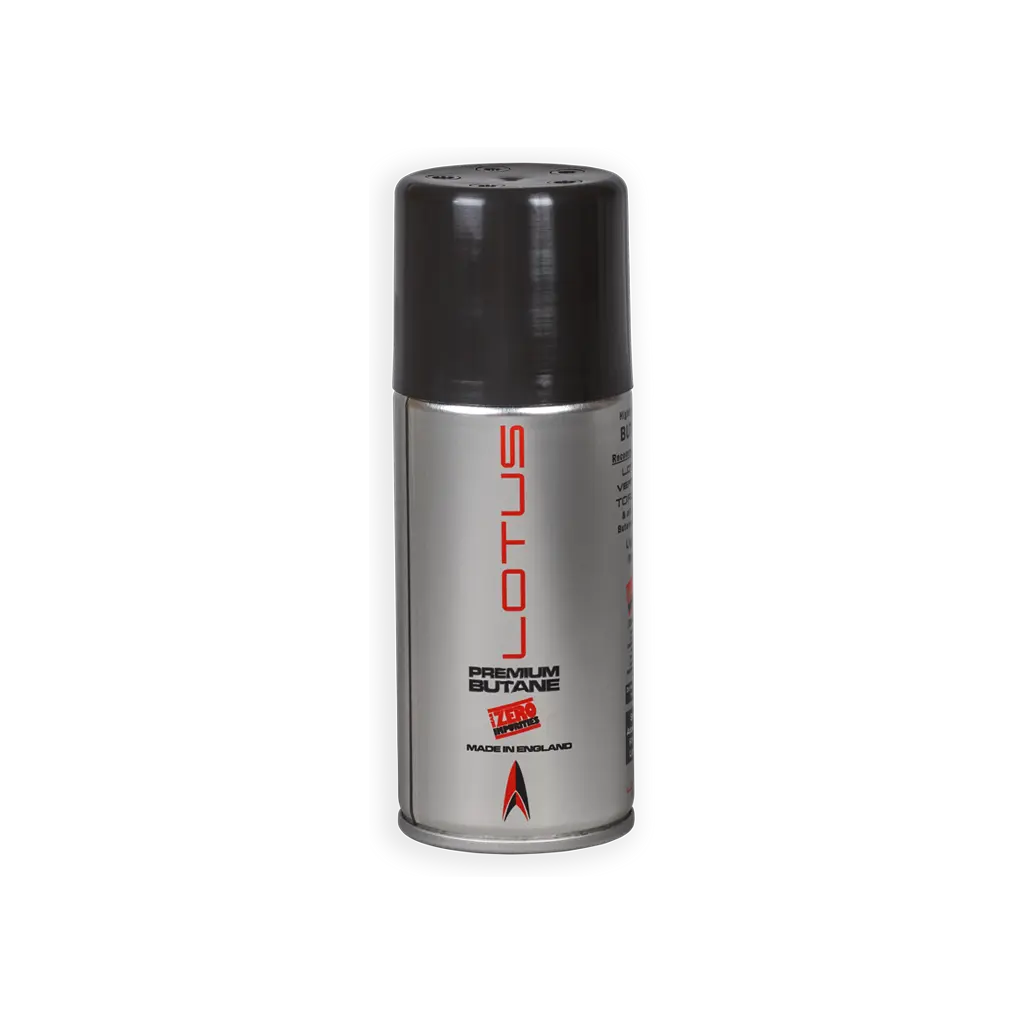
Use refined butane. Impurities in cheap fuel are what clog jets, and a clogged jet is the end of most torches that "stopped working". Our fuel and accessories section has the cans and the flints.
Never fill a torch right after it has been lit, and never light it right after a fill. Give it a few minutes either way; the tank is pressurized and the fuel needs to settle.
If a torch only lights after several clicks, blow across the jet opening to clear it and run the flame wheel up a touch. A jet set too low will not catch in cold air.
Which one to buy
- You smoke pipes or smaller cigars, or you want something slim for a pocket: the Speed-II Mini.
- Cigars are the main job and you want a punch built in: the Caliper if you like a single flame, the Lotus Blaze if you want three.
- One torch for cigars, the grill and the campsite: the Ironfist, with the flame lock for the long jobs.
- Big ring gauges, wind, or the mountains: the Ironquad.
Every torch we stock is in torch lighters, and the full range of lighters includes the soft-flame kind if that turns out to be what you need.
Questions people ask
Why does my torch lighter sputter or refuse to light?
Nine times out of ten it is air in the tank or dirty butane. Purge the tank with a small screwdriver, refill with refined butane, wait a few minutes, then open the flame wheel a little; a jet set too low will not catch.
Can I take a torch lighter on a plane?
No. In the US the TSA does not allow torch lighters in carry-on or checked bags. A soft-flame lighter such as a Zippo can travel in your pocket or carry-on, so bring that one for the trip.
How often will I need to refill it?
It depends on the jet count and the tank size. A single jet with a large tank goes the longest; a quad drains fastest. A fuel window tells you exactly where you stand, which is why we rate it the feature to look for first.
Does altitude really affect a torch lighter?
Yes. Thin air starves the jet of oxygen, so some torches struggle above a mile up. Vector rates the Caliper to 10,000 feet and the Ironfist and Ironquad to 12,000 feet; many torches do not list a rating at all.