In this guide
The short version
- Torch jets have pinhole openings; oils left in cheap butane coat them until the flame sputters and then quits.
- Lotus rates its fuel at 99.9999% pure after six stages of filtration; Zippo bottles an isobutane formula in Bradford, PA.
- Purge the old gas and trapped air before every fill, fill upside down in short presses, then wait two minutes.
- Buy 90ml for travel, 150ml for home, 400ml for a lounge or a heavy quad torch habit; the fuel inside is the same.
Most torch lighters that "stopped working" are not broken. They are full of cheap butane, air-locked from a hurried refill, or both. The fuel you put in a lighter matters more than the name on its side, and the way you put it in matters almost as much. Here is what the purity numbers on a can mean, why jets clog, and the purge-and-fill routine that fixes most of it in two minutes.
Why the fuel matters more than the lighter
A soft-flame lighter burns butane in open air and is forgiving about what you feed it. A torch is not. It forces pressurized gas through a jet with a pinhole opening, mixes it with air, and burns it as a narrow blue cone. Anything in the fuel that is not butane has to get through that pinhole too, and the heavier stuff does not. It stays behind.
Low-grade butane carries oils and propellants left over from refining. Each fill leaves a little more of them inside the jet and around the valve. The lighter still works for a while, then it starts to sputter, then it flares, then one day the igniter clicks and nothing happens. The jet is coated. A torch lighter that has been fed clean fuel from day one rarely gets there.
Refined vs cheap butane: what the purity number means
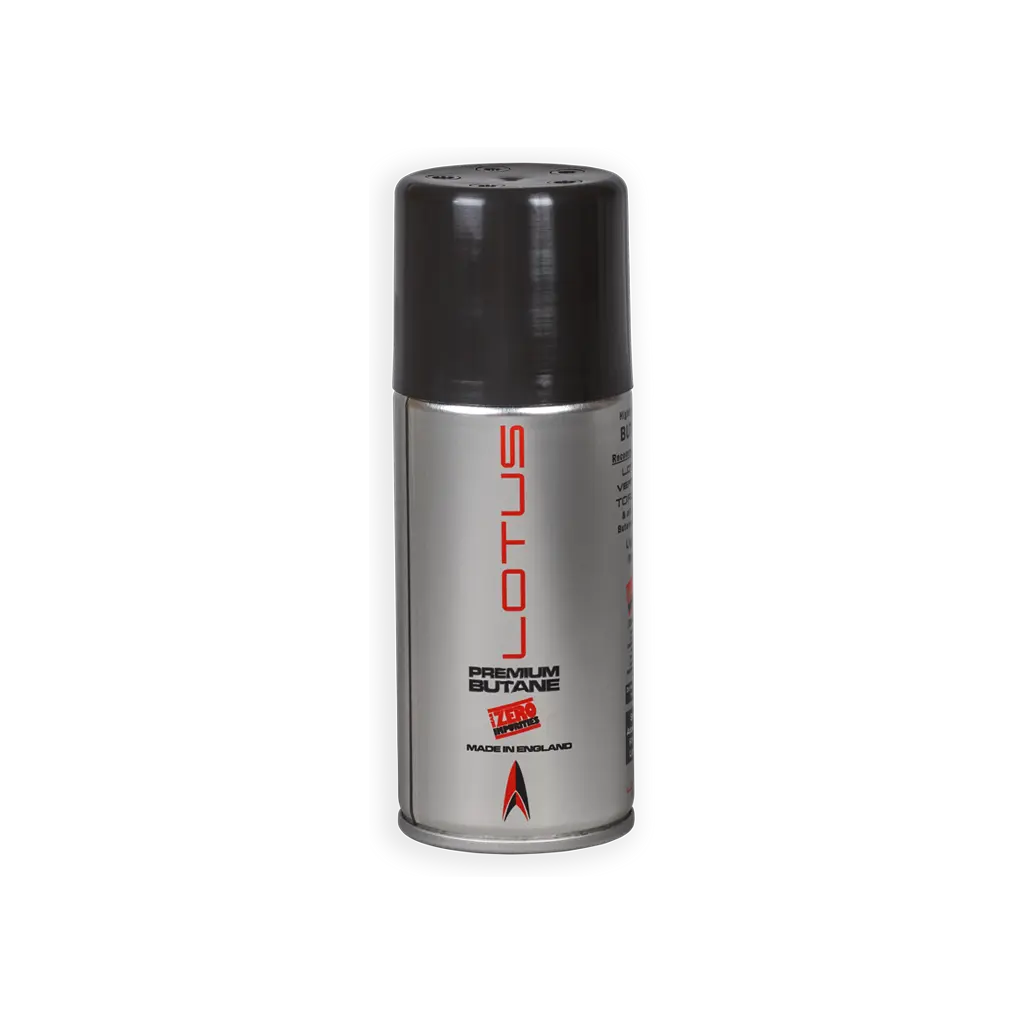
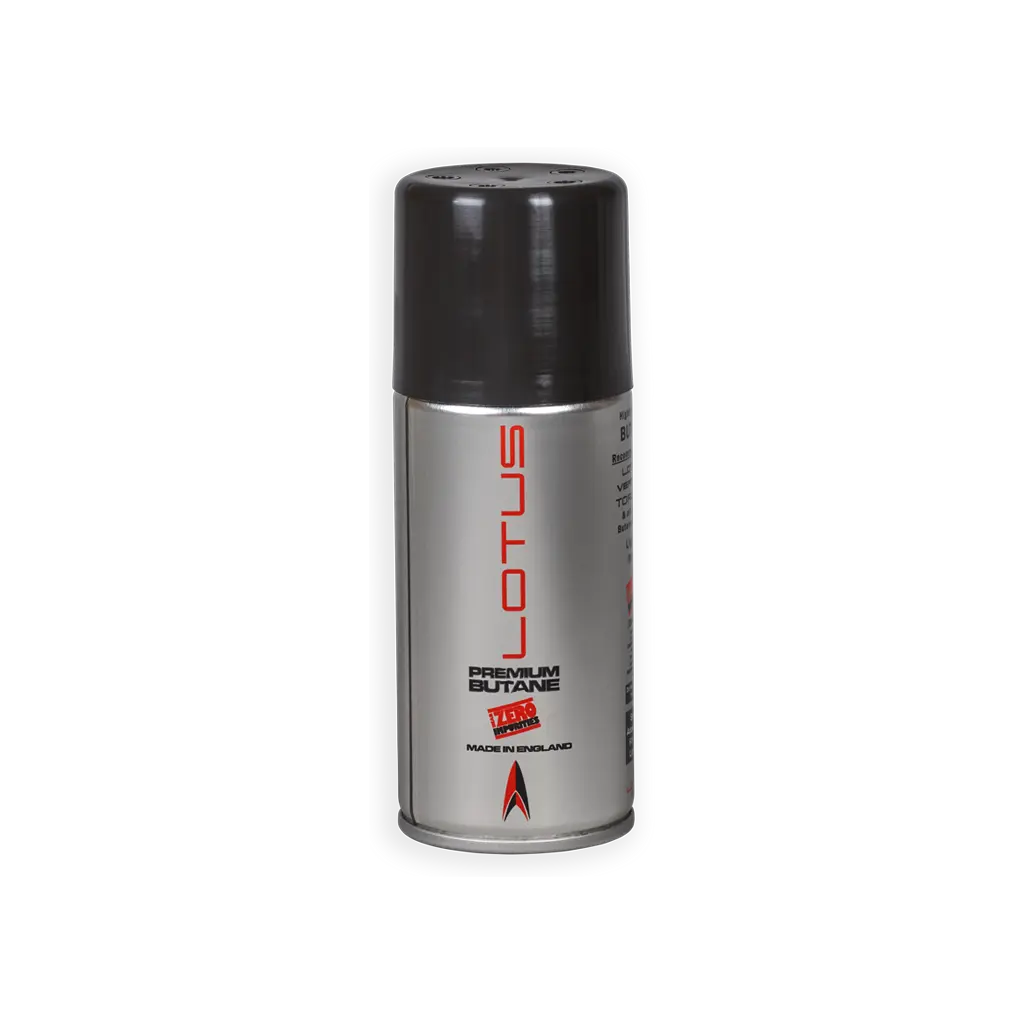
Every can of butane has been refined; the question is how many times. Lotus puts its fuel through a six-stage filtration process and rates the result at 99.9999% pure. That is the "five nines plus one" number you see on the can, and it is the whole point of the product: fewer non-volatile contaminants left in the gas, so fewer deposits in the jet. Lotus butane is made in England, burns without odor, and comes with a universal nozzle that fits the refill valve on standard butane lighters.
Zippo's butane is an isobutane formula bottled in Bradford, Pennsylvania. Zippo describes it as very clean and intends it for candle lighters, multi-purpose lighters and pocket butane lighters. The 9.8 fl oz can is the size to keep at home if you refill a utility lighter or a kitchen torch often.
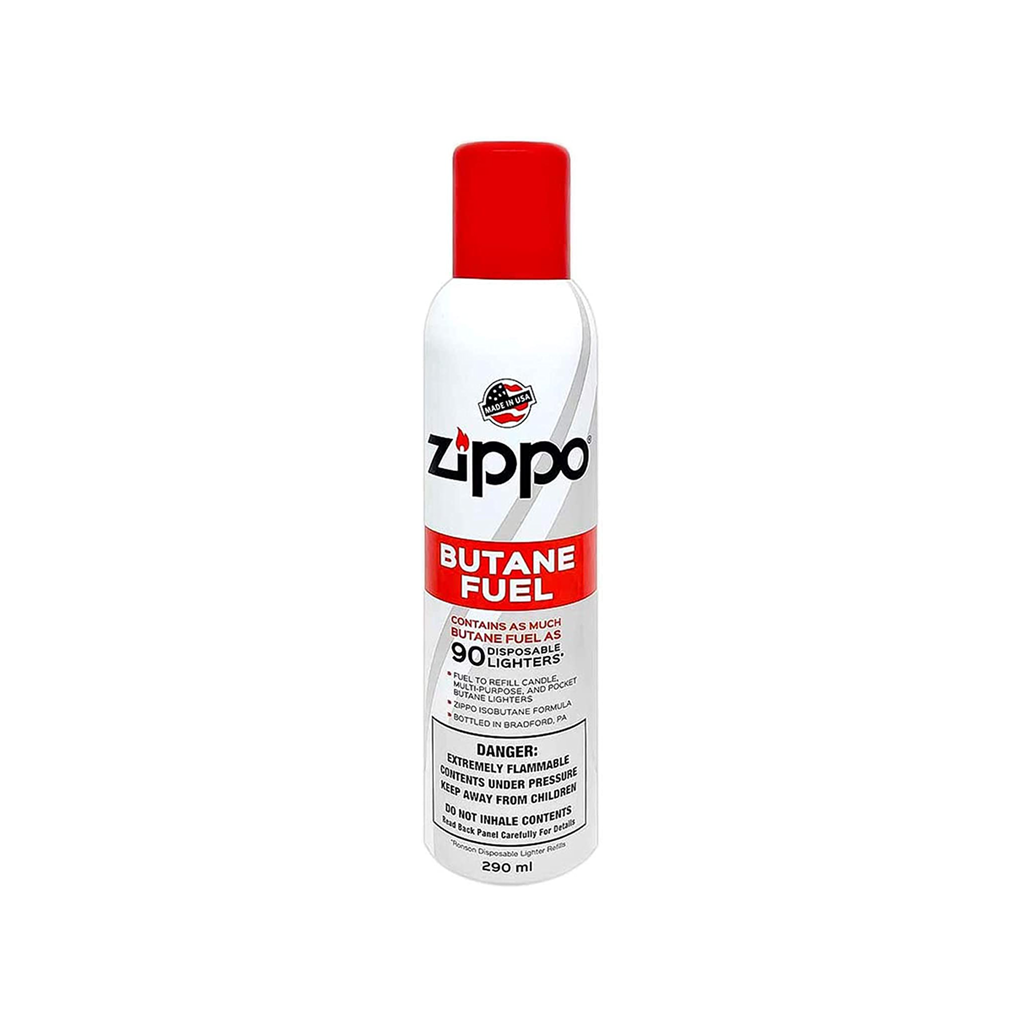
The cans we stock, side by side:
Can | Volume | Fuel | Made in |
|---|---|---|---|
Lotus Premium Butane 90ml | 90ml / 3.04 fl oz | Butane, 99.9999% pure, 6-stage filtration | England |
Lotus Premium Butane 150ml | 150ml / 5.07 fl oz | Butane, 99.9999% pure, 6-stage filtration | England |
Lotus Premium Butane 400ml | 400ml / 13.5 fl oz | Butane, 99.9999% pure, 6-stage filtration | England |
Zippo Butane Fuel 9.8 fl oz | 9.8 fl oz | Zippo isobutane formula | USA |
The cheap can at the gas station does not print a purity figure, and that is the tell. If a can does not say how refined its contents are, assume it is fine for a disposable-grade soft flame and keep it away from a torch you care about.
A can of refined butane costs more than a can of the other kind, but one jet torch costs more than a year of fuel. Clean fuel is the cheapest insurance a torch gets.
Why torches clog, sputter and flare
Four things cause nearly every torch complaint we hear, and only one of them is a real fault.
- Oil in the jet. The deposits described above. The flame gets ragged, leans to one side, or will not catch at all. Switching to refined fuel stops it getting worse; a few fills of clean butane can clear a light coating, but a heavily clogged jet usually needs the lighter serviced.
- Trapped air. Every time you fill, some air goes in with the gas, and a half-empty tank already holds vapor at low pressure. Fill on top of that without purging and the tank is part air, part butane. The flame sputters, dies, or flares when you first press the button. Lotus makes the same point in its own product notes: purge first, or the new liquid butane cannot get in completely.
- Cold fuel. Butane turns to vapor less readily in near-freezing weather, so a torch that is fine on the porch in July will struggle on a December walk. Warm the lighter in a pocket for a few minutes and try again before you blame it.
- Low flame setting after a fill. A freshly filled tank is at higher pressure than the one you adjusted last week. If the flame is suddenly huge, turn the wheel down. If it is tiny, turn it up before assuming the jet is blocked.
How to purge and fill, step by step
The whole routine takes about two minutes. Do it somewhere with no open flame nearby, away from the cigar you are about to light.
- Turn the flame adjuster to its lowest setting (usually a wheel or screw on the base, marked with a minus sign).
- Purge. Hold the lighter upright and press the refill valve on the base with a small screwdriver or the tool that came with the lighter. You will hear a hiss as the old gas and trapped air escape. Keep pressing until the hiss stops.
- Shake the can a few times, then turn the lighter upside down. Butane is a liquid under pressure; filling upside down lets the liquid, not the vapor, go into the tank.
- Press the can's nozzle straight down into the valve for three to five seconds. Release, wait a moment, and repeat two or three times until the fuel window (if the lighter has one) shows full or a little gas spits back from the valve.
- Set the lighter down upright and leave it alone for two minutes. The butane needs to settle and come up to room temperature before it will burn evenly.
- Turn the flame adjuster back up a little at a time until you have the flame you want.
If the can will not seat on the valve, do not force it or try to fill at an angle; gas sprays out and almost none goes in. The Lotus cans use a universal nozzle that fits standard valves. If your lighter came with a plastic adapter tip, use it.
Never fill a lighter that is still warm from use, and never light it in the first two minutes after filling. Both are how people end up with a flare instead of a flame.
Which can size to buy
The fuel inside the three Lotus cans is identical; only the volume changes. Pick by where the can will live.
The 90ml can is the one for a travel case or a desk drawer at work. It is small enough to go anywhere, and it refills a pocket torch many times over. Check your airline's rules before you travel with any butane can.
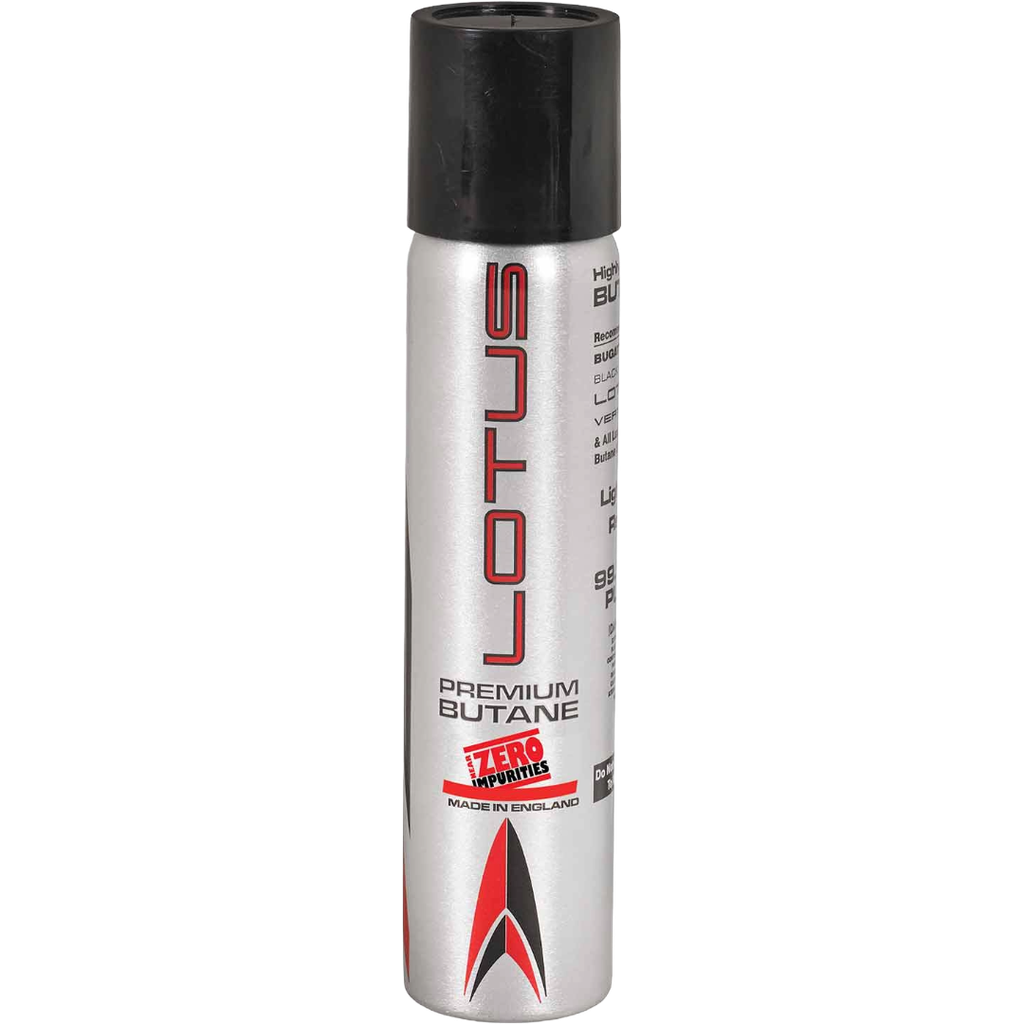
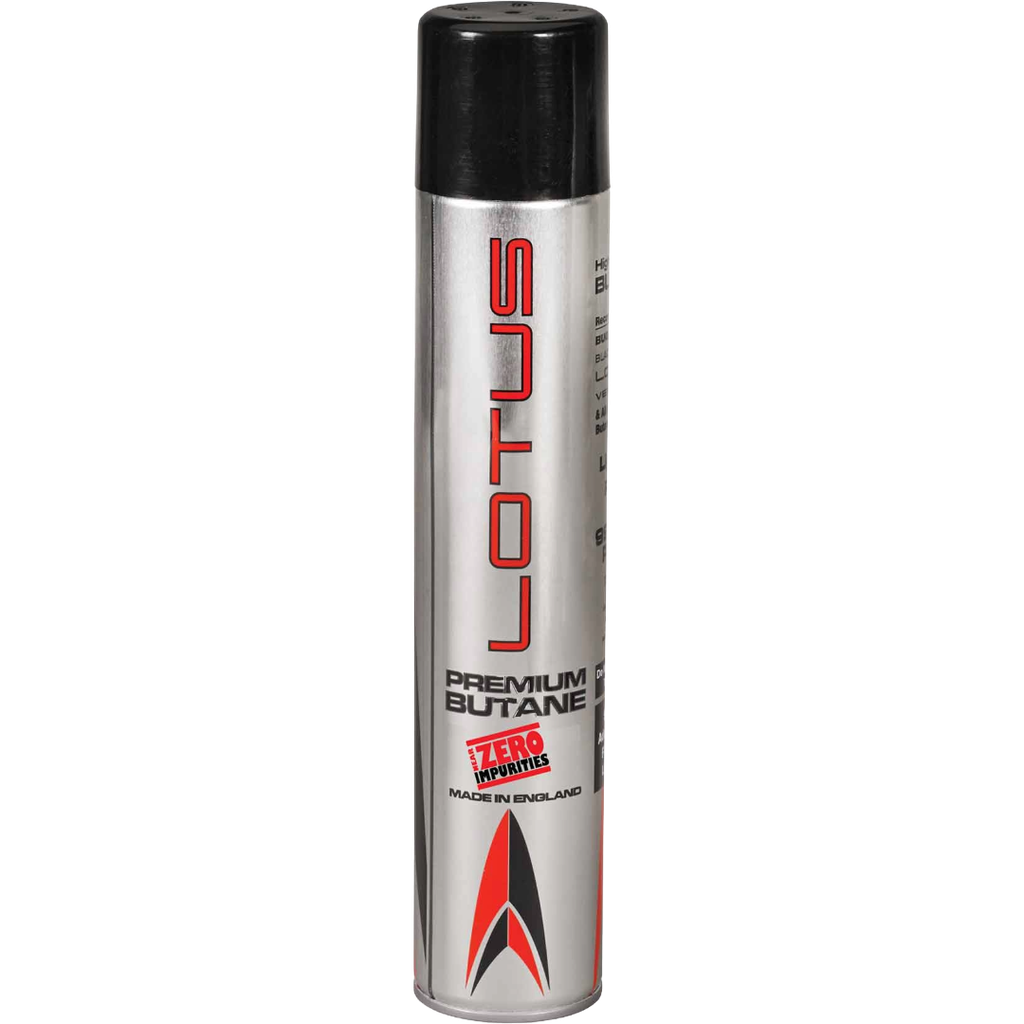
The 150ml can is the size most people should buy first. It sits in a drawer at home, fills a single or triple torch for months, and the box of twelve is what we sell to people who have stopped thinking about it. The 400ml can is for a lounge, a patio bar, or anyone who runs a quad torch and a tabletop torch and is tired of empty cans.
If what you own is a classic Zippo with the wick insert, none of this applies: that insert burns lighter fluid, not butane, and the routine is in our Zippo refill guide. Zippo's butane inserts and candle lighters take butane like any other torch, and the Zippo fuel and accessories collection has both fuels in one place.
When it still will not light
Run through this list before deciding the lighter is done. Is there fuel in the window? Did you purge before the last fill? Has the lighter been in the cold? Is the flame wheel turned all the way down? Does the igniter click? If it clicks but there is no flame and the tank is full, the jet is blocked: try a few fills of refined fuel, and if the flame does not come back, the lighter needs a service rather than more fuel.
If you are choosing a new torch rather than rescuing an old one, our guide to choosing a torch lighter covers single, triple and quad jets and the features that matter more than jet count. Whichever one you pick, start it on clean fuel and it will stay out of this post.
Questions people ask
Can I use cheap butane in a torch lighter?
You can, but the oils and propellants left in low-grade fuel build up in the jet and are the most common reason a torch starts to sputter or stops lighting. Refined butane with a stated purity figure is the better choice for any jet torch.
Why do I have to purge a lighter before refilling it?
Air gets in with every fill and a part-empty tank holds low-pressure vapor. If you fill on top of that, the new liquid butane cannot get in completely and the flame sputters or flares. Pressing the valve to let the old gas and air out takes a few seconds.
How long should I wait after filling before lighting?
About two minutes. The fuel needs to settle and come up to room temperature. Lighting sooner is the usual cause of a flare on the first press.
Does Lotus butane fit my lighter?
Lotus cans use a universal nozzle made to fit the refill valve on standard butane lighters. If your lighter came with a plastic adapter tip, use it with the can.
Can I put butane in a classic Zippo?
Not in the wick insert, which burns lighter fluid. Zippo's butane inserts and candle lighters do take butane, and the refill routine for the classic insert is in our Zippo refill guide.